


Starmer Resigns as UK Prime Minister After Less Than Two Years in Office
British Prime Minister and Labour Party leader Keir Starmer has announced his resignation, bringing an unexpected end to a premiership that began following Labour’s decisive general election victory in July 2024.
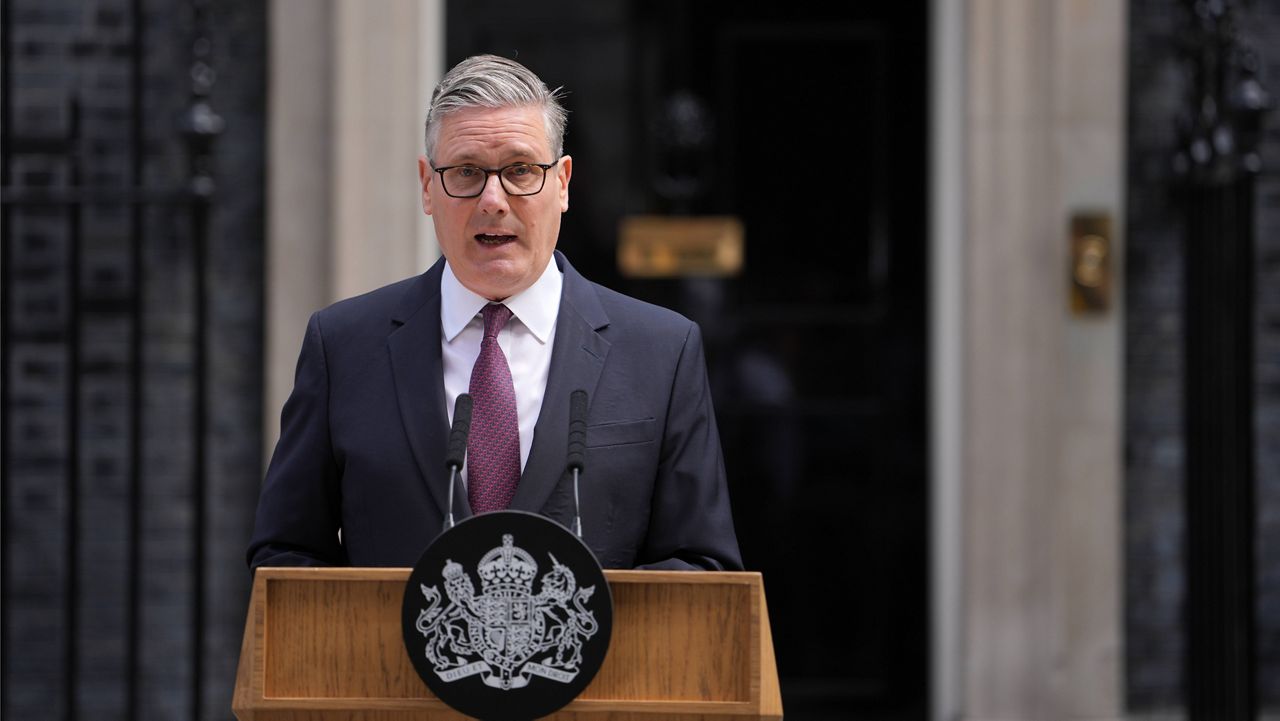
Starmer made the announcement on Monday in a statement delivered outside 10 Downing Street, where he reflected on his tenure and defended the key decisions taken by his administration.
“Every decision I have made has been about putting the country I love first,” Starmer said as he confirmed he would step down as both Prime Minister and Leader of the Labour Party.
His resignation marks a significant turning point in British politics, coming less than two years after he led Labour back into government, ending more than a decade of Conservative rule. The development is expected to trigger a leadership race within the governing party amid growing political uncertainty.
Addressing supporters gathered outside Downing Street, Starmer described his arrival at No. 10 in 2024 as “the proudest moment” of his life, stating that his motivation for entering politics had always been to improve the lives of millions of people across the United Kingdom.
Reflecting on his legacy, the outgoing Prime Minister highlighted what he described as major achievements during his leadership, including rebuilding the Labour Party after years of internal divisions and restoring public confidence in its economic and national security agenda.
Starmer said he inherited a party that was “politically, financially and morally bankrupt” and faced widespread predictions that it would struggle to return to power. He credited his leadership with transforming Labour into a credible governing party, citing reforms aimed at tackling anti-Semitism and strengthening public trust.
Attention has now shifted to the question of Starmer’s successor, with Andy Burnham emerging as the leading contender following his recent victory in the Makerfield by-election. Burnham is expected to be sworn in as a Member of Parliament in the coming days.
Political analysts and Labour insiders believe Burnham could secure the party leadership without a contested election if no other candidate emerges, raising the possibility of a smooth transition. Should that happen, Labour could have a new party leader and Prime Minister in place by September, ahead of the party’s annual conference.