

2027 Election: INEC Raises Alarm Over AI-Generated Fake News

The Independent National Electoral Commission (INEC) has warned that artificial intelligence-generated disinformation could threaten the credibility of the 2027 general elections.

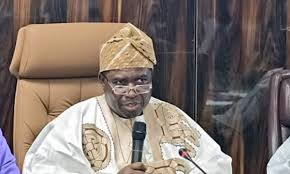
INEC Chairman, Prof. Joash Amupitan (SAN), said the increasing use of AI to create fake audio, videos and images could make it harder for voters to distinguish genuine political information from fabricated content.

Amupitan spoke on Wednesday in Abuja through a National Commissioner, Sani Adam (SAN), at the 13th Annual International Conference of the Association of Communication Scholars and Professionals of Nigeria. His remarks were contained in a statement signed by INEC’s Director of Voter Education and Publicity, Victoria Eta-Messi.

The INEC chairman said the credibility of elections now depended not only on the integrity of the ballot, the Bimodal Voter Accreditation System and result sheets, but also on how electoral information was communicated, understood and trusted by voters.

He said INEC was carrying out a comprehensive audit of its electoral technology systems, including system redundancy, penetration testing and disaster recovery plans, ahead of the 2027 election.

Amupitan also disclosed that the commission was considering a mock presidential election to test its preparedness, including voter accreditation, result transmission and result viewing under conditions similar to election day.

He warned that generative AI had made it cheaper and more difficult to detect manipulated political content, while algorithmic microtargeting could allow different groups of voters to receive conflicting political messages.

According to him, such false content could spread to millions of social media users before fact-checkers or electoral authorities could verify it.

Amupitan further disclosed that INEC had proposed a substantial budget for technology and election operations, including new accreditation devices to replace those lost or damaged during the last electoral cycle.

He said the commission was awaiting the full release of the funds, while its ICT team had begun discussions with manufacturers and preparations for the technology audit and proposed mock election continued.
PFIPC: Reps Panel Clears Gbajabiamila, Links 12 Agencies, 58 Bank Accounts to DG

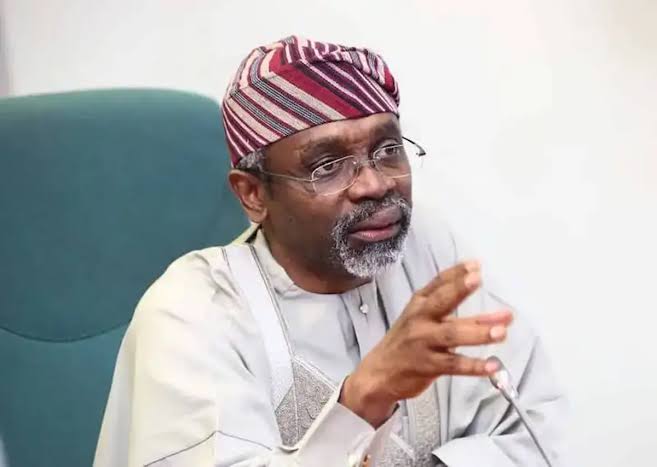
The House of Representatives Ad Hoc Committee investigating the controversial Presidential Foreign Intervention Promotion Council, PFIPC, has cleared the Chief of Staff to the President, Femi Gbajabiamila, of allegations that he authorised, created or took part in the activities of the purported agency.

The committee, chaired by Rep. Yusuf Adamu Gagdi, said its preliminary investigation found that the organisation was not legally established by the Federal Government. It also said documents allegedly presented to give the body presidential and legislative backing were forged, fabricated or altered.

The committee specifically examined a letter purportedly appointing Prince Adeniyi Adeyemi as Director-General of the PFIPC, which allegedly carried Gbajabiamila’s authority and signature. It found that the letter was not issued by the Chief of Staff or the Presidency.

According to the lawmakers, evidence obtained from the State House showed that no such appointment was made or approved by the Presidency, adding that Gbajabiamila neither issued nor signed the letter.

The committee also discovered that the letterhead used on the document was not genuine State House letterhead, while the reference number on it did not conform to the Presidency’s official numbering system.

It said the format, language and administrative details contained in the document were significantly different from those used in official State House correspondence.

The lawmakers therefore made a preliminary finding that the alleged appointment letter was fabricated and falsely presented as an official document from the Presidency.

The finding clears Gbajabiamila of the allegation, as the committee said it found no evidence connecting him to the purported appointment or the activities of the organisation.

Instead, the committee said documents before it showed that Gbajabiamila took steps to initiate investigations after concerns about the organisation were brought to his attention.

It said that after receiving an alert from the Nigerian Investment Promotion Commission, NIPC, over suspected fraud and the alleged misuse of government materials, Gbajabiamila acted within 24 hours by contacting security and investigative agencies.

Those agencies included the Nigeria Police Force, the Office of the National Security Adviser, the Department of State Services, DSS, and the Economic and Financial Crimes Commission, EFCC.

The committee added that the Chief of Staff also directed relevant government institutions to carry out administrative verification of the organisation.

It further said that when fresh concerns emerged, including those linked to a proposed World Investment Summit, additional communications were sent to relevant authorities requesting investigations and appropriate action.