

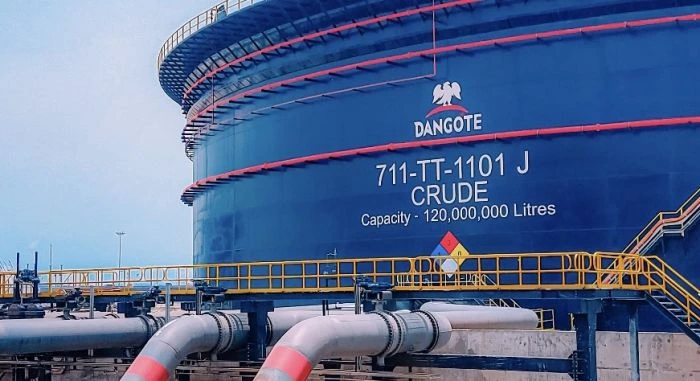

Dangote threatens to export petrol as imports rise
The Dangote Petroleum Refinery has warned that it may export excess petrol stocks as increasing imports complicate domestic demand forecasts and make inventory management more difficult.
The refinery said imported Premium Motor Spirit, commonly known as petrol, accounted for about 43 per cent of the fuel supplied to the Nigerian market in July, despite its ability to meet and surpass local demand.
It attributed the uncertainty to the continued issuance of petroleum product import licences, which it said was affecting demand forecasts and making it harder to determine the appropriate volume of petrol to keep in storage for the domestic market.
The refinery said it had maintained adequate stock levels and reserved petrol volumes to ensure uninterrupted supply to the Nigerian market since beginning operations, requiring substantial investments in storage facilities, logistics and working capital.
However, the company said the absence of clear information on the volume of imported petrol expected into the country was affecting its ability to efficiently plan production and manage inventory.
It explained that any petrol surplus that could not be immediately absorbed by the local market would have to be redirected to regional and international markets through exports.
The refinery said the rise in its export volumes should therefore not be viewed as an indication that it was unable to meet domestic demand, but rather as a consequence of excess stocks created by uncertainty surrounding the volume of imported petrol entering the country.
“However, the absence of transparency regarding the actual volume of imported products expected into the country makes effective production and inventory planning increasingly challenging. Maintaining large stock positions without clear visibility into import volumes imposes substantial carrying costs on the refinery and ultimately undermines efficient market operations,” it stated.
The company said exporting the excess petrol would help it avoid additional storage and financing expenses associated with maintaining large inventories.
It stressed that the development did not amount to a withdrawal from the Nigerian market, reaffirming its commitment to maintaining sufficient petrol supplies across the country.