
Dangote threatens to export petrol as imports rise

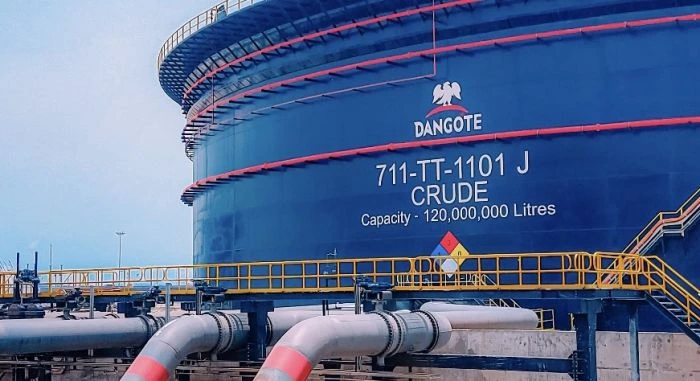
The Dangote Petroleum Refinery has warned that it may export excess petrol stocks as increasing imports complicate domestic demand forecasts and make inventory management more difficult.

The refinery said imported Premium Motor Spirit, commonly known as petrol, accounted for about 43 per cent of the fuel supplied to the Nigerian market in July, despite its ability to meet and surpass local demand.

It attributed the uncertainty to the continued issuance of petroleum product import licences, which it said was affecting demand forecasts and making it harder to determine the appropriate volume of petrol to keep in storage for the domestic market.

The refinery said it had maintained adequate stock levels and reserved petrol volumes to ensure uninterrupted supply to the Nigerian market since beginning operations, requiring substantial investments in storage facilities, logistics and working capital.

However, the company said the absence of clear information on the volume of imported petrol expected into the country was affecting its ability to efficiently plan production and manage inventory.

It explained that any petrol surplus that could not be immediately absorbed by the local market would have to be redirected to regional and international markets through exports.

The refinery said the rise in its export volumes should therefore not be viewed as an indication that it was unable to meet domestic demand, but rather as a consequence of excess stocks created by uncertainty surrounding the volume of imported petrol entering the country.

“However, the absence of transparency regarding the actual volume of imported products expected into the country makes effective production and inventory planning increasingly challenging. Maintaining large stock positions without clear visibility into import volumes imposes substantial carrying costs on the refinery and ultimately undermines efficient market operations,” it stated.

The company said exporting the excess petrol would help it avoid additional storage and financing expenses associated with maintaining large inventories.

It stressed that the development did not amount to a withdrawal from the Nigerian market, reaffirming its commitment to maintaining sufficient petrol supplies across the country.
Bill Gates Warns AI Could Permanently Eliminate Millions of Jobs

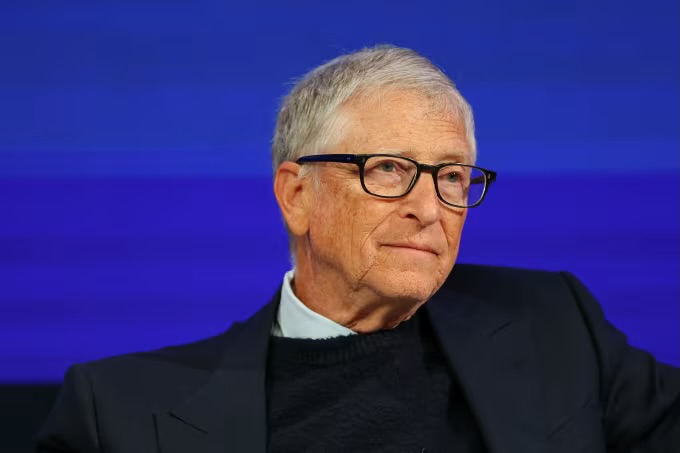
Microsoft co-founder, Bill Gates, has warned that the world’s transition into the artificial intelligence era could rank among the most disruptive periods in human history.

He said governments were failing to do enough to prepare for the widespread job losses and social and economic disruptions that could result from the rapid advancement of AI.

Gates made the remarks in a more than 6,000-word essay titled “The turbulent AI era is here. The choices we make now are critical,” published on his Gates Notes website on Wednesday.

According to him, AI could either help narrow global inequality or widen the gap between the wealthy and the poor, depending on how governments, businesses and societies manage its rapid growth.

“In terms of equity, AI will either be the greatest equalizer ever invented, or the worst source of injustice.

“The challenge is monumental. Even under the best circumstances, the transition to this new AI era will be one of the most turbulent times in human history,” he wrote.

Gates argued that the world was already lagging in preparing for the changes AI could bring, saying governments, experts and communities had not fully addressed the scale of the potential disruption.

“Unfortunately, right now we are not preparing for it. I don’t see evidence that leaders, experts, and communities are confronting the challenges adequately. There is no plan to ease the entry into the AI era,” he stated.

He said the rapid deployment of AI sets it apart from previous technological breakthroughs, which took considerably longer to transform workplaces.

“When the PC came along, it took 20 years to significantly change how we worked because the software had to be developed, the price had to come down, and people had to learn how to use the tools and incorporate them into their business processes.

“AI, on the other hand, runs on the devices we already have, and it uses natural language. We don’t have to adapt to it because it can adapt to us. It can watch the same training video that is used to train human workers and learn from existing data,” he hinted.

Gates listed widespread job losses among the three major threats posed by the AI transition, warning that the disruption could result in permanent changes to the labour market.

“Many jobs will disappear forever,” he wrote.

He said entry-level and mid-level workers could face the greatest risks, while many of the new roles created by AI may demand specialised skills that could take years to develop.

“AI may not reach this level, but its impact will not go away with an economic cycle. The jobs at most risk are entry- and mid-level, and the new jobs being created will mostly require skills that take many years to learn.”

Gates added that the effects of AI would not be limited to conventional technology and office-based jobs.

He further cautioned that blue-collar workers could eventually face similar disruption as advances in robotics accelerate, adding that he was especially concerned about young people preparing to enter the labour market.

According to Gates, the scale of the disruption could compel societies to rethink the traditional link between employment, income and economic security.

NFF President Gusau, Board Members Resign

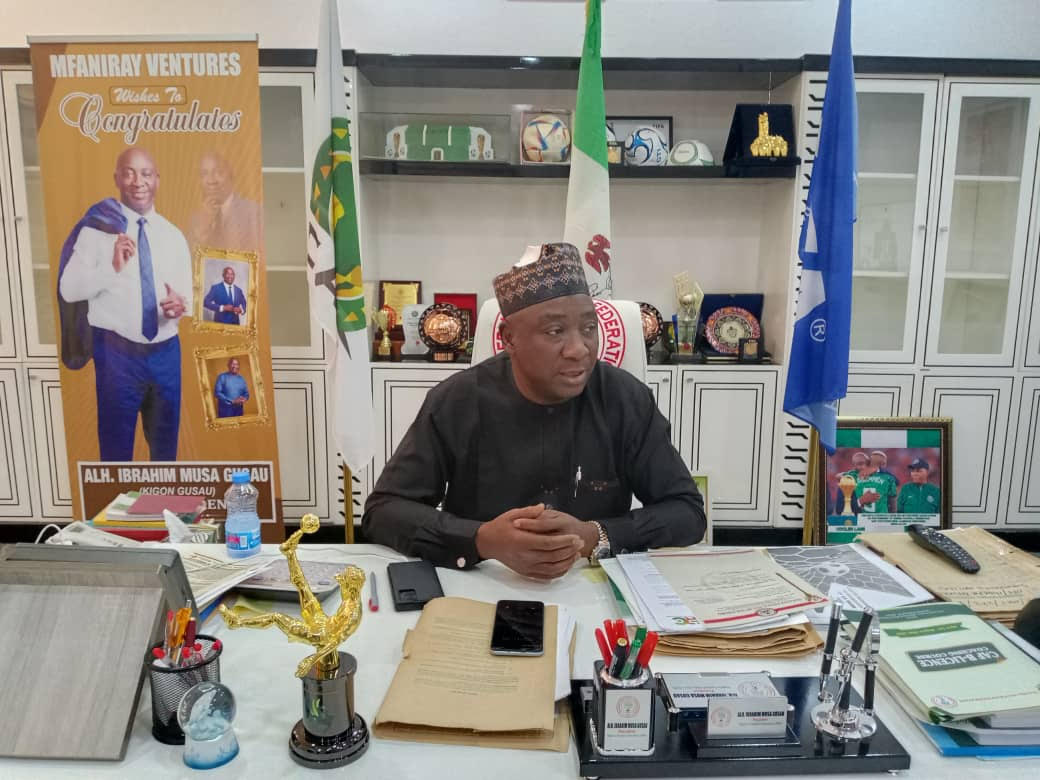
The President of the Nigeria Football Federation, Ibrahim Gusau, and other members of the NFF board have resigned from their positions.

The resignations come amid mounting criticism over the administration and management of Nigerian football under the current leadership.

The pressure intensified following the Super Falcons’ failure to qualify for the FIFA Women’s World Cup, marking the first time the team has missed the tournament.

The NFF leadership had also reportedly come under scrutiny from security agencies over the management and utilisation of funds released by the Federal Government for the national football teams.

The Department of State Services was said to have joined other security agencies in investigating the federation’s handling of the N17 billion intervention fund approved by President Bola Tinubu in 2024.

The funds were released to settle outstanding wages, bonuses and other financial obligations owed to players representing Nigeria’s national teams.

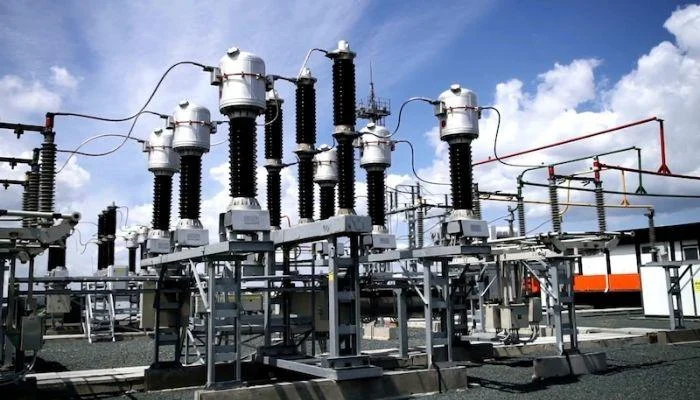
FG Targets 8,000MW Power Generation, Transmission by 2027

The Federal Government says it is aiming to achieve 8,000 megawatts of electricity generation and transmission by the end of 2027 as part of measures to boost power supply nationwide.

The Minister of Power, Joseph Tegbe, disclosed this on Wednesday in Abuja during the launch of the Renewable Energy Assets Management Company by the Rural Electrification Agency.

Tegbe said the government was targeting 6,500MW by the end of 2026, acknowledging that the country currently faces challenges in wheeling about 5,000MW of available electricity.

He expressed optimism that Nigerians would soon have access to round-the-clock electricity, describing the recent improvements in the power sector as the beginning of broader reforms aimed at transforming electricity supply.

The minister lamented that Nigeria had endured an embarrassing situation of inadequate electricity despite possessing significant power resources and infrastructure.

According to him, the newly established RAMCO is expected to adopt a new model for managing and sustaining renewable energy assets, with its mandate eventually expanding to cover the wider electricity grid.

Tegbe added that the government was developing a more flexible electricity system that would integrate grid power, embedded generation, interconnected and distributed renewable energy, energy storage and other emerging technologies.