
ASUU Gives FG, States 14-Day Ultimatum Over 21 Universities

The Academic Staff Union of Universities, ASUU, has given the Federal and state governments 14 days to address unresolved issues affecting 21 universities or face possible industrial action.

The decision was reached at the union’s National Executive Council meeting held at the University of Abuja on August 8 and 9, 2026.

In a statement signed by ASUU President, Professor Christopher Piwuna, the union directed affected university branches to issue a 14-day ultimatum before commencing processes for strike action.

ASUU accused the Federal and state governments of failing to implement the 2025 FGN-ASUU Agreement.

The union also announced plans to convene an emergency NEC meeting by the end of August or early September to review developments and determine further action.

Among the affected institutions are Nasarawa State University, Keffi; Ibrahim Badamasi Babangida University, Lapai; University of Medical Sciences, Ondo; Gombe State University; Plateau State University, Bokkos; Adekunle Ajasin University, Akungba; Ambrose Alli University, Ekpoma; Olusegun Agagu University of Science and Technology, Okitipupa; Abia State University, Uturu; and University of Education and Entrepreneurship, Akamkpa.
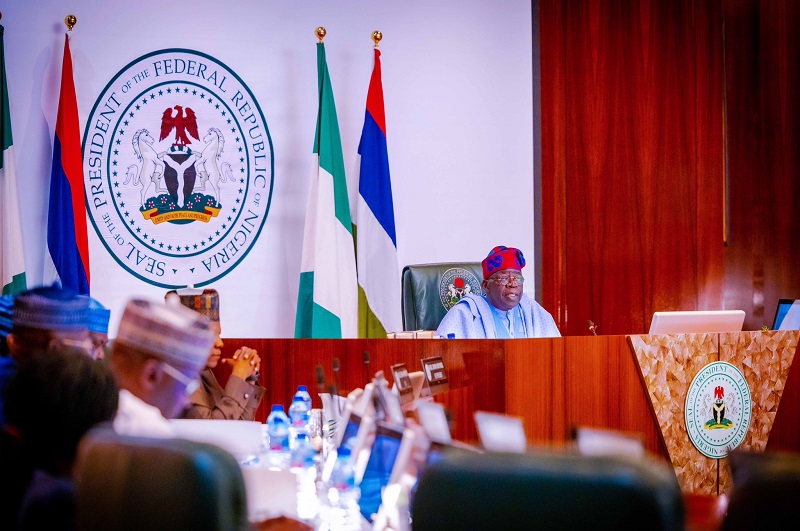
FG Highlights Six Youth Empowerment Programmes, Urges Nigerians to Take Advantage

The Federal Government has highlighted several youth empowerment and employment programmes designed to provide Nigerian youths with access to jobs, digital skills, education funding and entrepreneurship opportunities.

The programmes, which are being implemented through various government agencies, include digital work opportunities, student loans, paid work placements, technical training and support for young people in the creative sector.

Among them is the NiYA Gig Digital Work Platform, a government-backed platform designed to connect Nigerians with freelance and digital work opportunities locally and internationally, with payments made in naira.

Another initiative is the Nigeria Education Loan Fund, NELFUND, which provides interest-free student loans to eligible Nigerians. The scheme covers tuition payments and provides upkeep support, while repayment begins two years after the completion of NYSC, subject to the beneficiary securing employment.

The Nigeria Jubilee Fellows Programme, NJFP, offers young graduates a 12-month paid work placement with participating organisations, with beneficiaries receiving a monthly stipend.

The government also listed the Labour Employment and Empowerment Programme, LEEP, which targets the creation of millions of jobs through employment opportunities, digital training, vocational education and access to global remote work.

The 3 Million Technical Talent Programme, 3MTT, provides free training in technology-related fields, including artificial intelligence, data science and software development, for Nigerians seeking to develop careers in the digital economy.

Also highlighted is the SMEDAN Creative and Garment Studios, which provides training and resources for young designers, tailors and other creatives within Nigeria’s fashion and creative economy.

The government is encouraging young Nigerians to explore these programmes and make use of available opportunities, stressing that access to many of the initiatives does not require political connections.

Eligible Nigerians are advised to verify the official programme websites and application requirements before submitting their applications.

ICPC uncovers two more fake agencies in PFIPC investigation

The Independent Corrupt Practices and Other Related Offences Commission (ICPC) has uncovered two additional fake government agencies allegedly linked to Adeniyi Matthew Adeyemi, the self-acclaimed Director-General of the Presidential Foreign Intervention Promotion Council (PFIPC), as its investigation into the alleged fraud expands.

ICPC Chairman, Dr. Musa Adamu Aliyu, disclosed this on Thursday while presenting the commission’s interim investigation report to President Bola Tinubu at the Presidential Villa in Abuja.

According to Aliyu, investigations confirmed that Adeyemi was never appointed by the Federal Government and that the PFIPC had no legal status, having neither been established by an Act of the National Assembly nor through an executive order.

The commission found that the appointment letter used by Adeyemi was forged and that the fake council unlawfully occupied offices and used official materials belonging to the defunct Presidential Economic Advisory Council (PEAC).

Aliyu said the group operated from the former PEAC office, allegedly engaging in impersonation, false representation and other fraudulent activities by exploiting weaknesses in government verification and coordination systems.

Further investigations also uncovered two other non-existent agencies — the FCT Investment Promotion Agency and the Foreign Investment Promotion Agency.

The ICPC chairman revealed that Adeyemi later changed the organisation’s name from the Foreign Investment Promotion Council to the Foreign Intervention Promotion Council in a bid to widen its activities to include revenue generation.

Based on its findings, the commission recommended Adeyemi’s prosecution, disciplinary action against public officials suspected of aiding the operation, and institutional reforms to strengthen internal controls across government agencies.

The interim report also identified officials from the Office of the Secretary to the Government of the Federation (OSGF), the Office of the Head of the Civil Service of the Federation, the Office of the Accountant-General of the Federation, the Budget Office of the Federation, and the National Information Technology Development Agency (NITDA) as alleged collaborators in the scheme.

Aliyu noted that investigations are still ongoing and said President Tinubu has been fully briefed on the findings, reaffirming his administration’s commitment to transparency, accountability and the prosecution of those found culpable.

Military salaries hit N924bn as Tinubu approves pay rise

President Bola Tinubu has approved a salary increase of between 30 and 80 per cent for about 250,000 personnel of the Armed Forces, raising the military’s annual wage bill from ₦660 billion to ₦924 billion.

The new salary structure, which takes effect from September 1, 2026, grants the highest increase to junior personnel. Soldiers from the rank of Private to Staff Sergeant will receive an 80 per cent pay rise, while Warrant Officers to Colonels will get a 50 per cent increase. Senior officers from Brigadier-General to General will receive a 30 per cent salary adjustment.

The Presidency said the review is aimed at recognising the sacrifices of military personnel in the fight against terrorism, banditry and kidnapping, while reaffirming the Federal Government’s commitment to improving troop welfare and equipping the Armed Forces with modern weapons and technology.

The salary review will increase the Armed Forces’ annual wage bill by ₦264 billion, from ₦660 billion to ₦924 billion, making it the largest military pay increase under the Tinubu administration.

The development has been welcomed by retired military officers, who described it as a major morale booster capable of improving troop motivation, recruitment and operational effectiveness. They, however, urged the Federal Government to ensure prompt implementation and complement the salary review with improved logistics, accommodation, healthcare, modern equipment and other welfare packages.

Serving military personnel also welcomed the announcement but said they would reserve judgment until the new salaries are reflected in their bank accounts, stressing that effective implementation would be the true test of the government’s commitment to troop welfare.

Special Adviser to the President on Information and Strategy, Bayo Onanuga, said the salary structure was deliberately designed to favour junior personnel, with the highest percentage increases going to the lowest ranks.

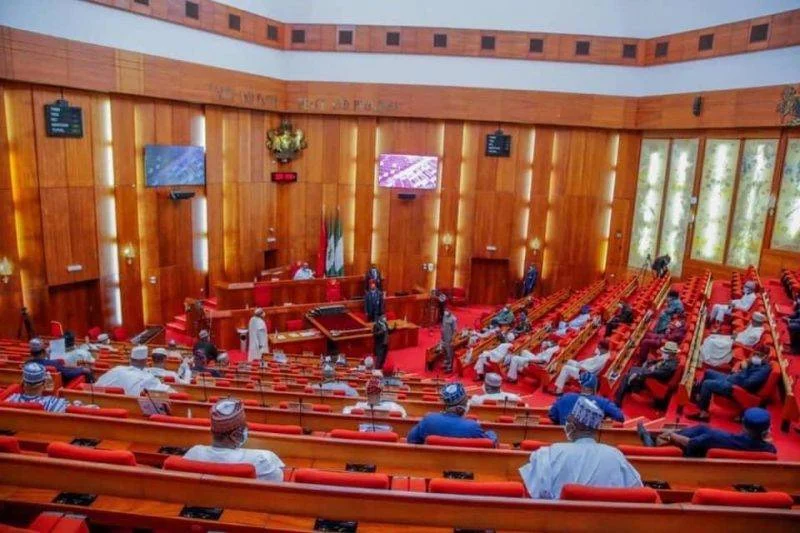
Senate Clears Bamidele, Adaramodu Over Commercial Bus Preaching Bill

The Senate has denied reports linking the Senate Leader, Senator Opeyemi Bamidele, and the Chairman of the Senate Committee on Media and Publicity, Senator Yemi Adaramodu, to the controversial proposal seeking penalties for preaching, hawking and trading inside commercial vehicles.

Reacting to the growing public backlash over the Federal Road Safety Corps (FRSC) Amendment Bill, 2026, Adaramodu clarified that neither he nor Bamidele sponsored or introduced the legislation.

The controversy followed the Senate’s consideration of the amendment bill, which retains a provision prescribing a ₦50,000 fine for anyone convicted of hawking, trading or preaching inside commercial vehicles.

The provision has attracted criticism from religious groups, civil society organisations, opposition parties and many Nigerians, who argue that it is insensitive amid the country’s economic challenges and rising unemployment.

However, the Senate maintained that the provision is not a new attempt to ban religious preaching or evangelism in public transport. According to the upper chamber, the clause has existed in the FRSC Act since 2007 and was merely retained in the amendment bill.

The Senate also clarified that the bill originated from the House of Representatives and was not sponsored by Senator Bamidele.

Adaramodu urged Nigerians not to assume that every debate or proposal in the National Assembly automatically becomes law. He explained that after a bill is considered by the Committee of the Whole, it may be adopted or rejected.

If adopted, the bill is forwarded to the other chamber of the National Assembly for concurrence, where it undergoes another round of legislative scrutiny. Any differences between both chambers are resolved by a joint conference committee before the harmonised version is transmitted to the executive.

He added that the bill is subsequently reviewed by the Federal Ministry of Justice and other relevant agencies before being presented to the President for assent.

According to the senator, only after completing all constitutional and legislative procedures can any bill become law.

Adaramodu also dismissed claims circulating on social media that he and Bamidele were responsible for the controversial provision, describing the reports as false and misleading.

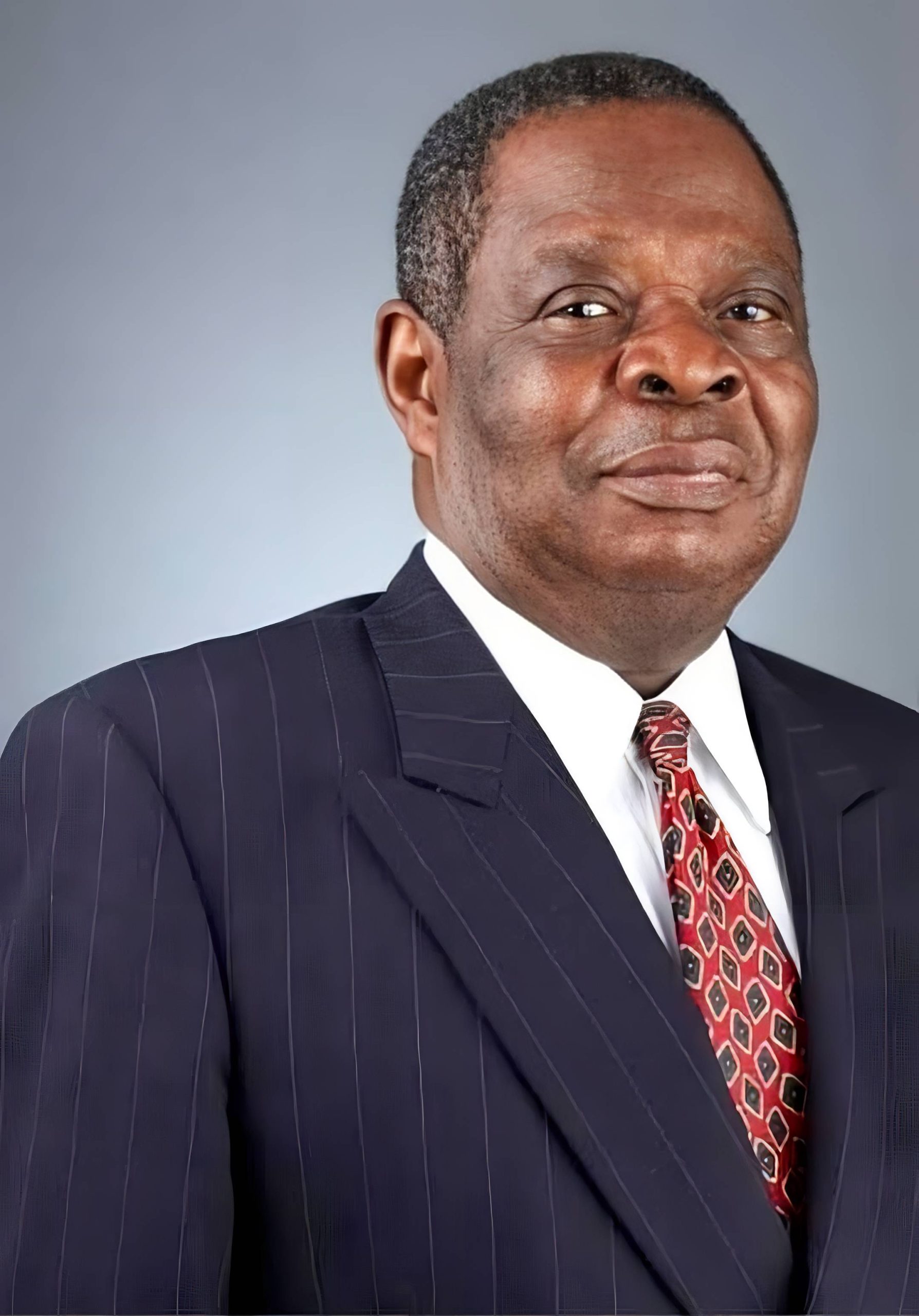
Corporate Icon Stephen Olusegun Olusanya Celebrates 86th Birthday

Otunba Babatunde Babatomiwa Rowaiye, the Chief Executive Officer of Rowradio and Maiyegun of Ijebu-Igbo, has paid glowing tribute to renowned banker and corporate leader, Mr. Stephen Olusegun Olusanya, MSc, FCCA, on the occasion of his 86th birthday.

In a congratulatory message, Rowaiye described Olusanya as a man of integrity, humility and unwavering principles whose exemplary life of service, leadership and mentorship has inspired generations.

He commended the octogenarian for his outstanding contributions to Nigeria’s banking, manufacturing and corporate sectors, noting that his wealth of experience, commitment to excellence and passion for developing others have earned him widespread respect within and beyond the business community.

Over the years, Olusanya has built a reputation as a respected corporate executive and boardroom strategist. He served as Executive Director of Union Bank Plc from 1993 to 1999 before becoming a Non-Executive Director of the bank. He also served as Executive Director of Afribank Nigeria Plc and retired as a Director in the Federal Civil Service.

He currently serves as Vice Chairman of Meristem Securities Limited, Chairman of Health Partners Limited, Chairman of Bulwark Vault and Safe Deposits Limited, and Director of Summit Healthcare Hospital Group and Tripple Gee & Company Plc, among other corporate positions.

Describing his strategic contributions to the growth of the Dangote Group and as one of the influential minds behind the conglomerate’s success story, Rowaiye praised Olusanya’s enduring legacy of excellence, professionalism and selfless service.

Ijebu North LG Commences Emergency Repairs on Odobotu Bridge, Rain-Damaged Roads

The Ijebu North Local Government has commenced emergency repairs on the Odobotu Bridge in the Mercy Model area of Ijebu-Igbo, alongside other roads damaged by the heavy rainfall experienced in July 2026.

The Executive Chairman of the council, Hon. Dr. Bolaji Odusanya, said the intervention is part of the local government’s commitment to improving road infrastructure, ensuring public safety, and restoring smooth movement for residents and motorists across the area.

According to him, repair works have already begun on the Molusi College Road (Mercy Model section), with construction teams deployed to rehabilitate damaged portions of the road and address areas affected by erosion and flooding.

Hon. Odusanya appealed to motorists and other road users to exercise caution while the maintenance work is ongoing. He also urged residents to cooperate with traffic officials and construction workers to ensure the smooth flow of traffic throughout the repair period.

The chairman reaffirmed his administration’s commitment to providing quality infrastructure that enhances the well-being of residents and supports economic development. He noted that projects aimed at improving public welfare and boosting connectivity across the local government will continue to receive priority attention.

The council further assured residents that efforts are being intensified to restore all affected roads and critical infrastructure, making them safer and more accessible following the impact of the recent heavy rains.

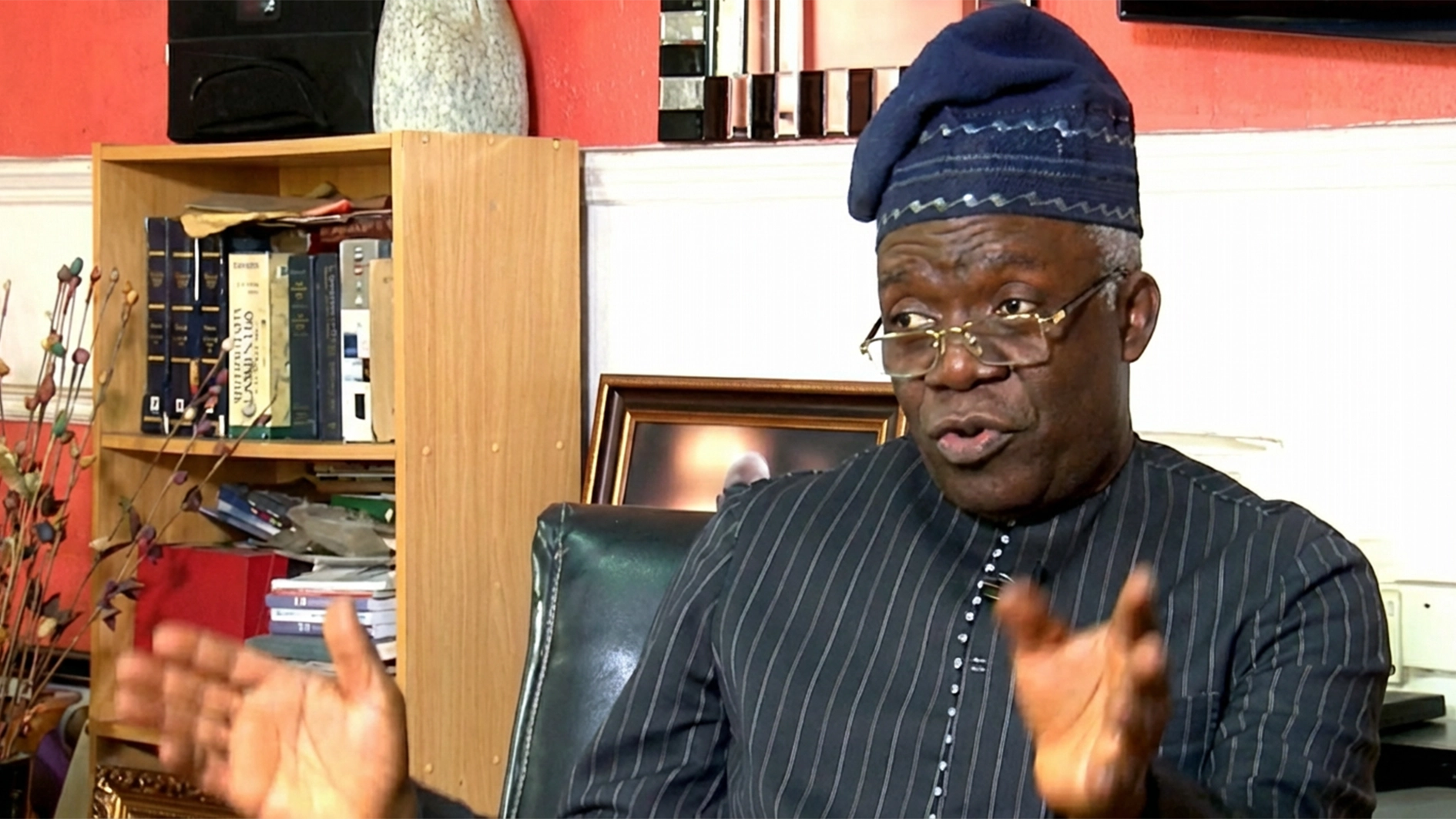
Falana Urges FG to Sanction South African Firms Over Xenophobic Attacks

Human rights lawyer, Femi Falana (SAN), has called on the Federal Government to impose economic sanctions on South African companies operating in Nigeria in response to recurring xenophobic attacks on Nigerians and the destruction of their businesses in South Africa.

Speaking with journalists in Ekiti on Saturday, Falana argued that diplomatic protests alone have failed to produce meaningful action from the South African government. He urged Nigeria to apply the principle of reciprocity in its response.

The senior advocate also questioned the effectiveness of taking the matter before the African Union, saying such efforts may only result in resolutions without concrete enforcement.

According to Falana, if Nigerians continue to be attacked and their businesses destroyed in South Africa, Nigeria has a responsibility to respond by taking appropriate measures against South African businesses operating within its borders, particularly where viable alternatives exist.